Scrap recycling is more than just an environmental trend—it’s a smart, sustainable way to turn discarded materials into valuable resources. From old appliances and construction debris to industrial metal waste, scrap recycling plays a crucial role in protecting the planet while supporting the economy. As industries and communities look for greener solutions, recycling scrap has never been more important.
What Is Scrap Recycling?
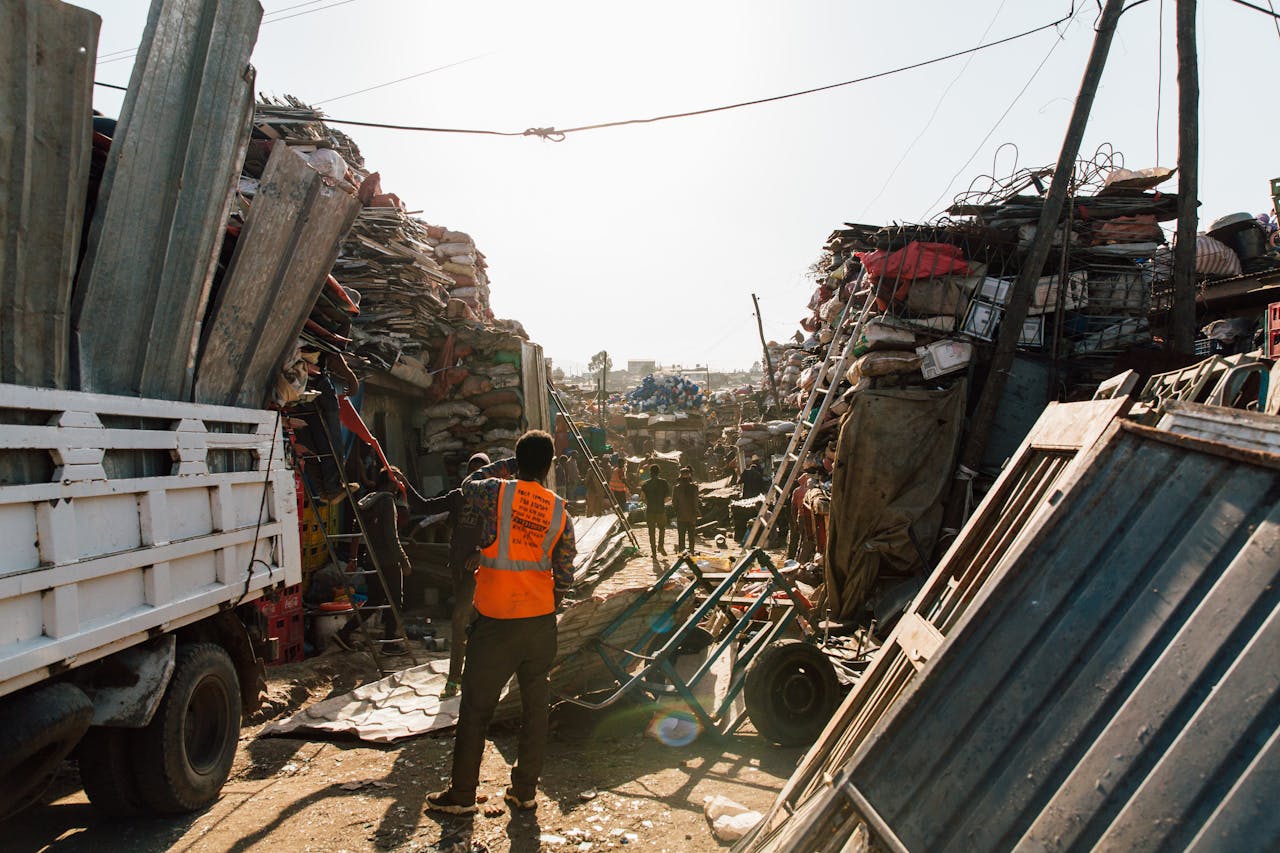
Scrap recycling is the process of collecting, processing, and reusing materials that would otherwise end up in landfills. These materials include metals like steel, aluminum, copper, and brass, as well as plastics, paper, and electronic waste. Once collected, scrap materials are sorted, cleaned, melted down, and transformed into raw materials that can be used to manufacture new products.
This closed-loop system reduces the need for mining and raw material extraction, saving energy and natural resources in the process.
Environmental Benefits of Scrap Recycling
One of the biggest advantages of scrap recycling is its positive impact on the environment. Recycling metals uses significantly less energy than producing them from raw ore. For example, recycling aluminum saves up to 95% of the energy required to produce new aluminum. That energy savings translates directly into reduced greenhouse gas emissions.
Scrap recycling also helps minimize landfill waste, reducing soil and water pollution. By keeping harmful materials out of landfills, recycling protects ecosystems and improves overall public health.
Economic Value and Job Creation
Scrap recycling isn’t just good for the planet—it’s good for business too. The recycling industry creates jobs across collection, transportation, processing, and manufacturing. It supports local economies and provides a steady supply of affordable raw materials to manufacturers.
For businesses, selling scrap metal and recyclable materials can generate additional revenue while reducing waste disposal costs. Many companies now see recycling as both an environmental responsibility and a financial opportunity.
Common Materials Recycled as Scrap
Scrap recycling covers a wide range of materials, including:
- Ferrous metals such as steel and iron
- Non-ferrous metals like aluminum, copper, brass, and zinc
- Electronic waste including old computers, wires, and circuit boards
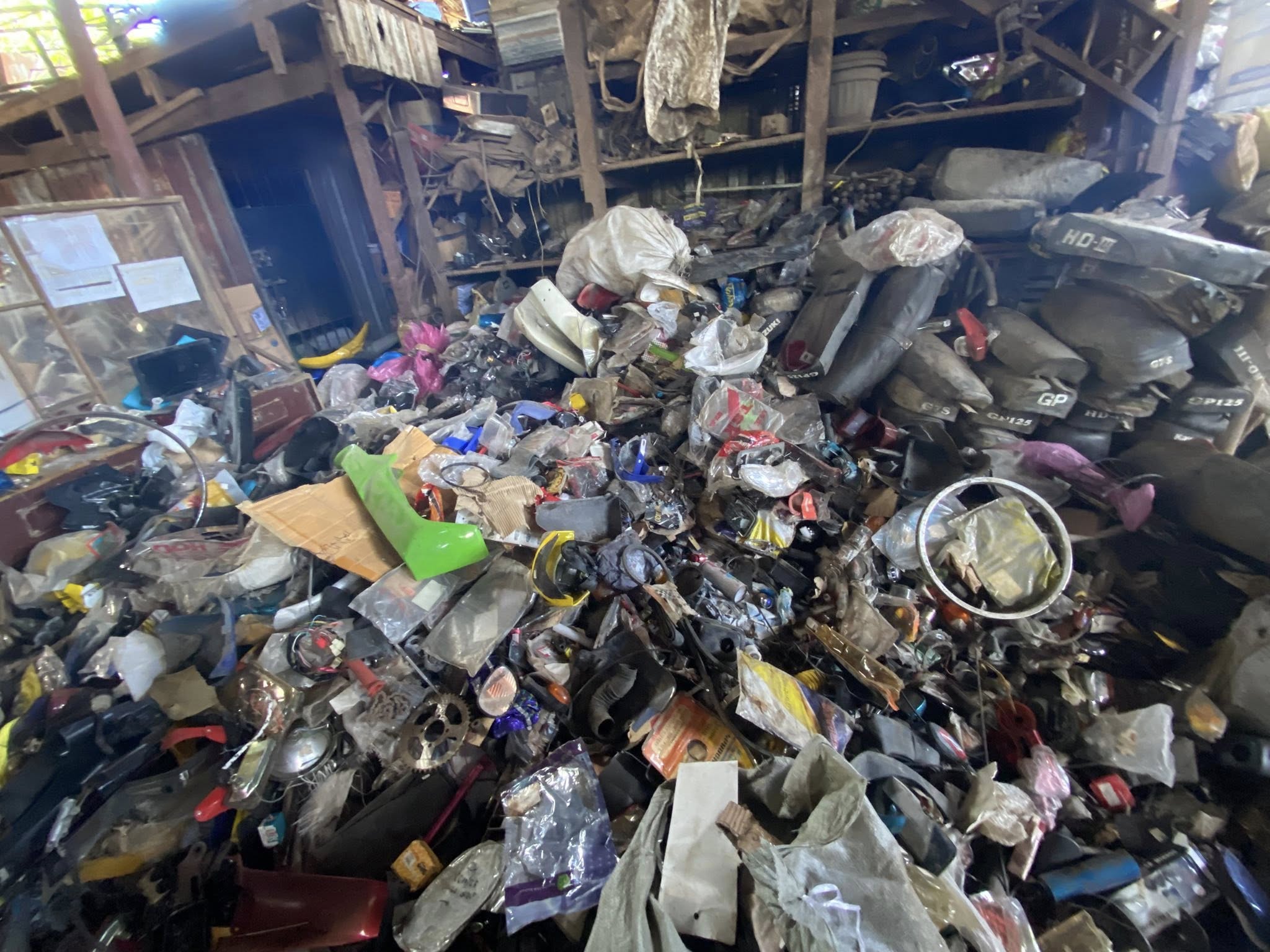
- Automotive scrap such as car parts, batteries, and engines
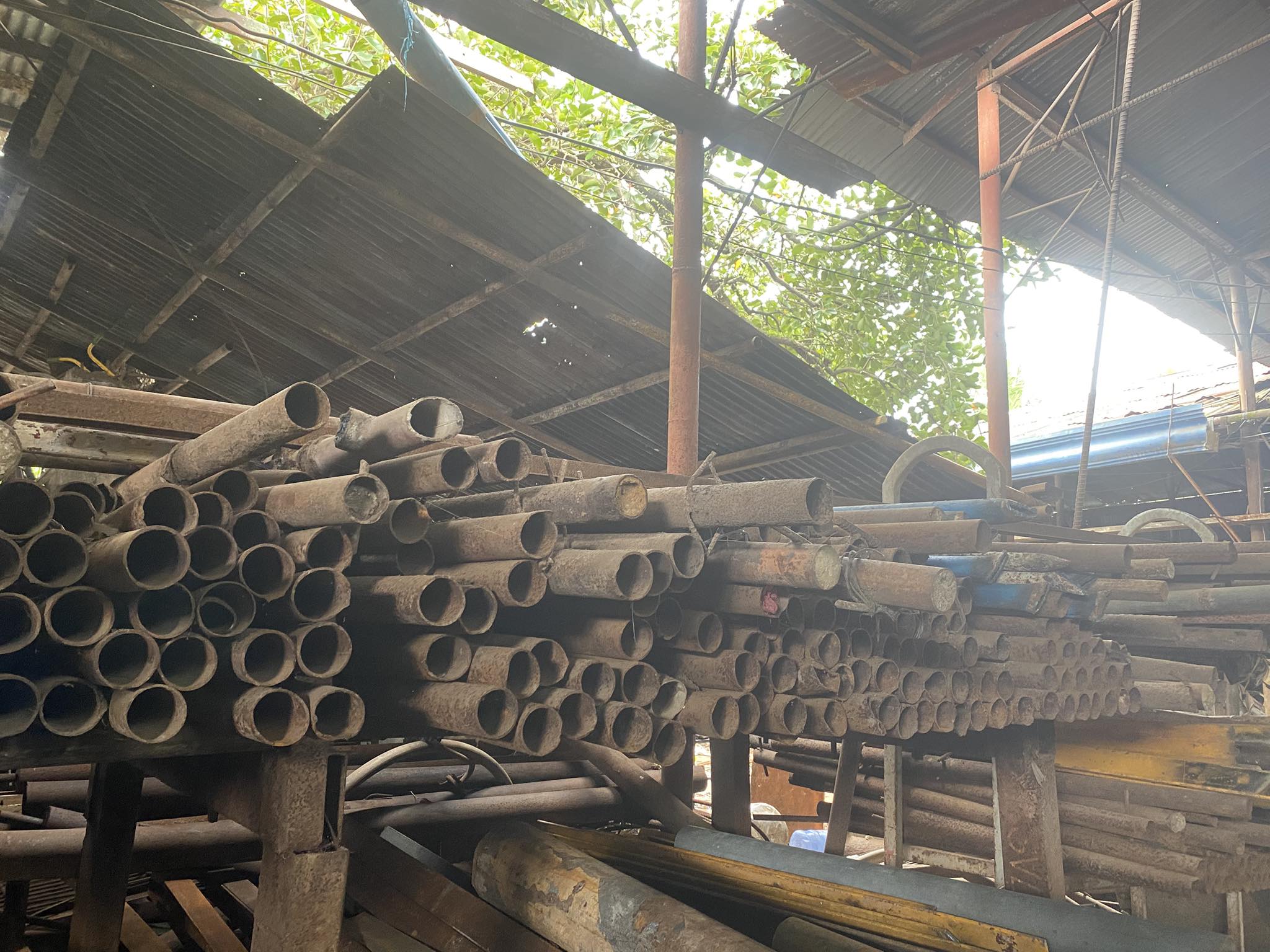
- Construction scrap like metal beams, pipes, and roofing materials
Proper sorting and handling of these materials ensures higher recycling efficiency and better value recovery.
Why Businesses and Individuals Should Recycle Scrap
Recycling scrap is one of the simplest ways for individuals and businesses to reduce their environmental footprint. It promotes responsible waste management, conserves natural resources, and supports a circular economy where materials are reused rather than discarded.
For businesses, working with a reliable scrap recycling partner ensures compliance with environmental regulations and demonstrates a commitment to sustainability—something customers and stakeholders increasingly care about.
The Future of Scrap Recycling
As technology advances, scrap recycling is becoming more efficient and innovative. Automated sorting systems, cleaner processing methods, and increased awareness are helping the industry grow. Governments and organizations worldwide are also encouraging recycling through incentives and stricter environmental policies.
The future points toward a world where waste is minimized, and materials are continuously reused—making scrap recycling a key driver of sustainable development.
Final Thoughts
Scrap recycling turns everyday waste into valuable resources, benefiting the environment, the economy, and society as a whole. Whether you’re an individual cleaning out old items or a business managing industrial waste, recycling scrap is a powerful step toward a cleaner, more sustainable future.
By choosing to recycle, you’re not just getting rid of waste—you’re helping build a better world.